- Mission
- Updates
- Donor List
- Photos
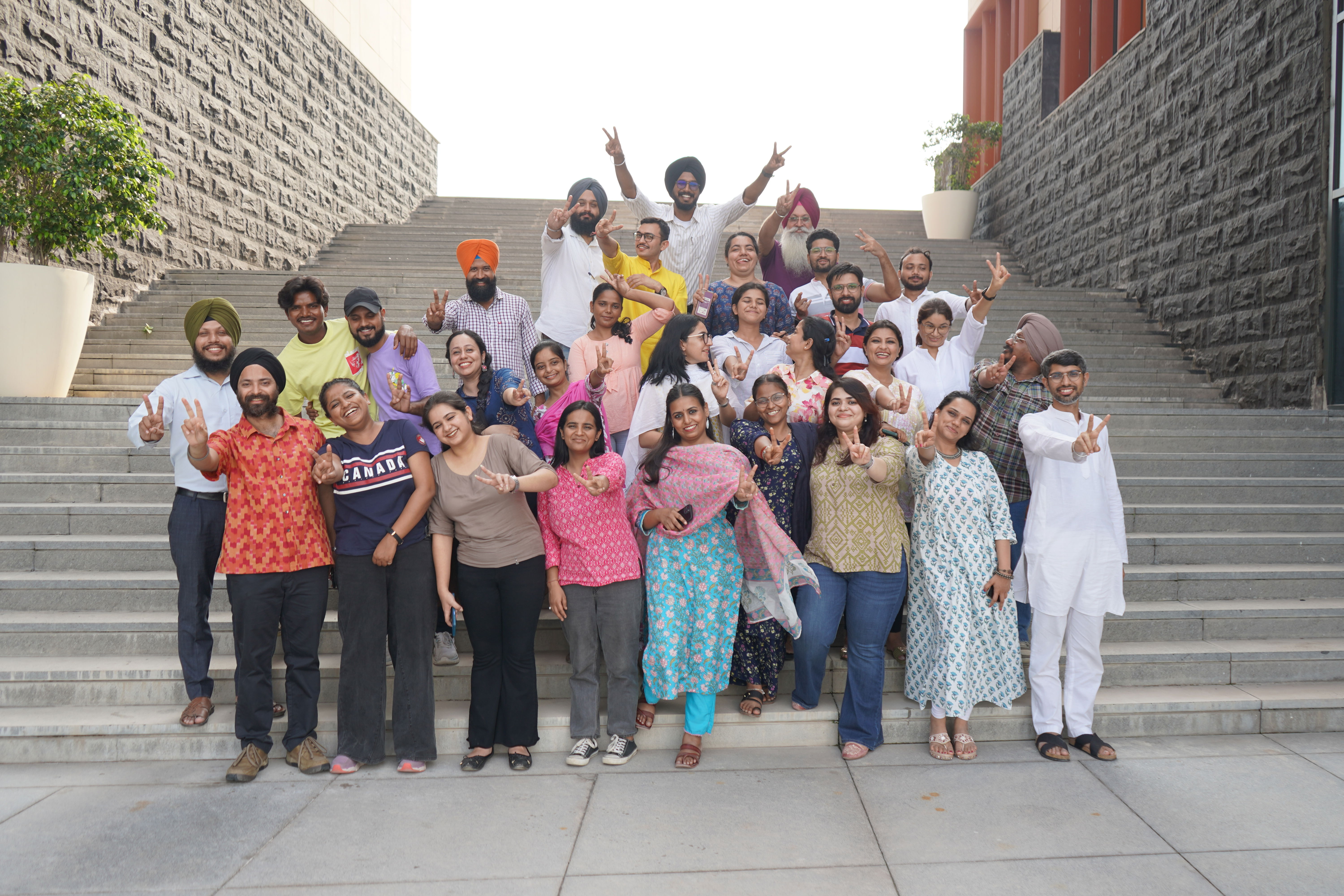
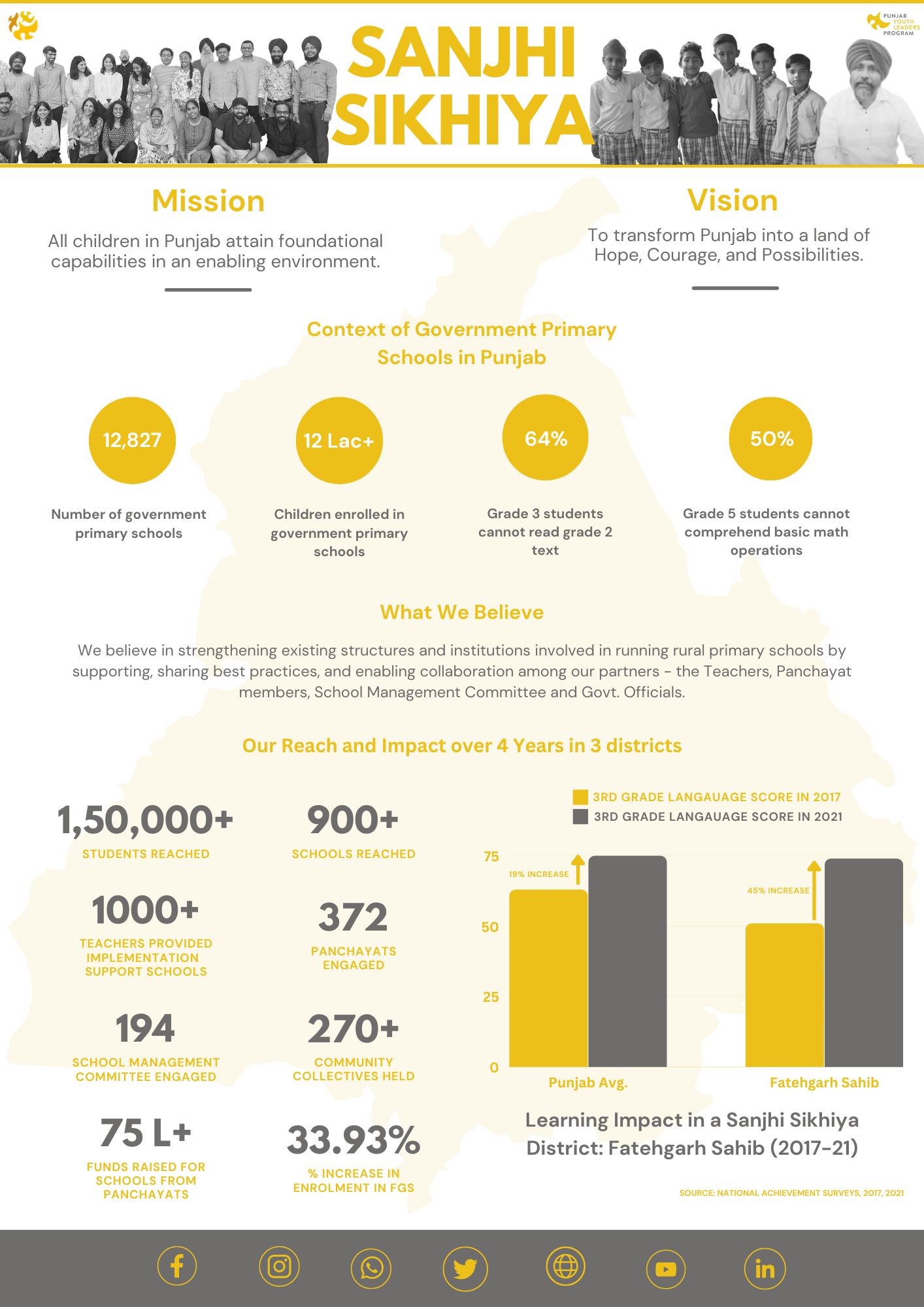
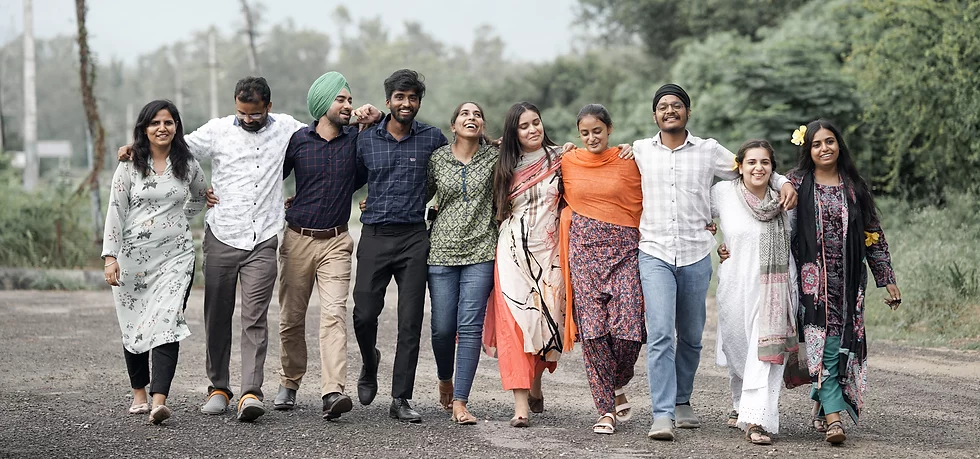
Sanjhi Sikhiya is a collective movement of young professionals committed to systemic educational reform in Punjab and working towards a mission to ensure that "all children in Punjab attain foundational capabilities." This mission has led us to work closely with Punjab’s Education Department and partner with other organizations working towards the same cause, enabling dialogues across stakeholders and forming learning communities.
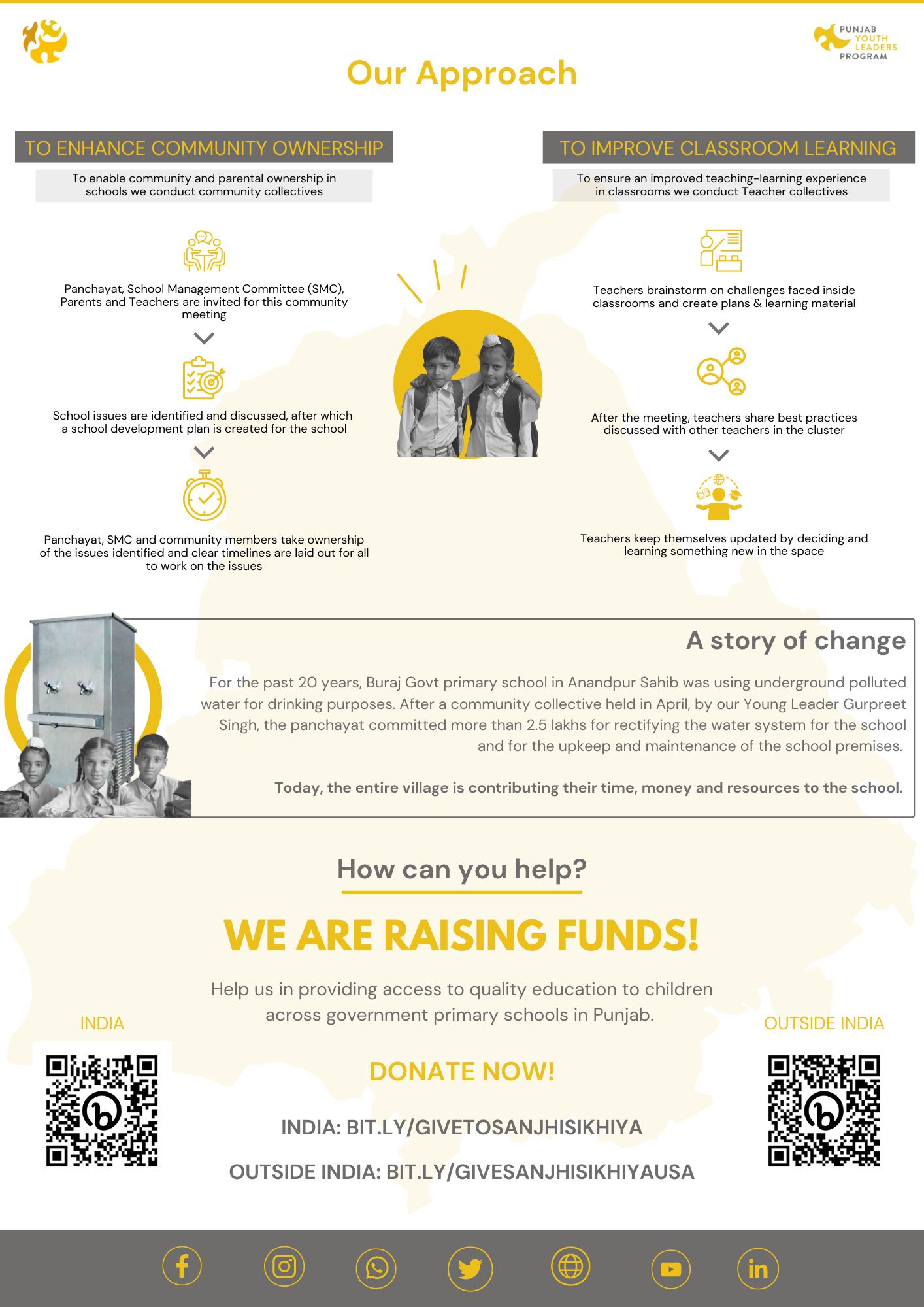
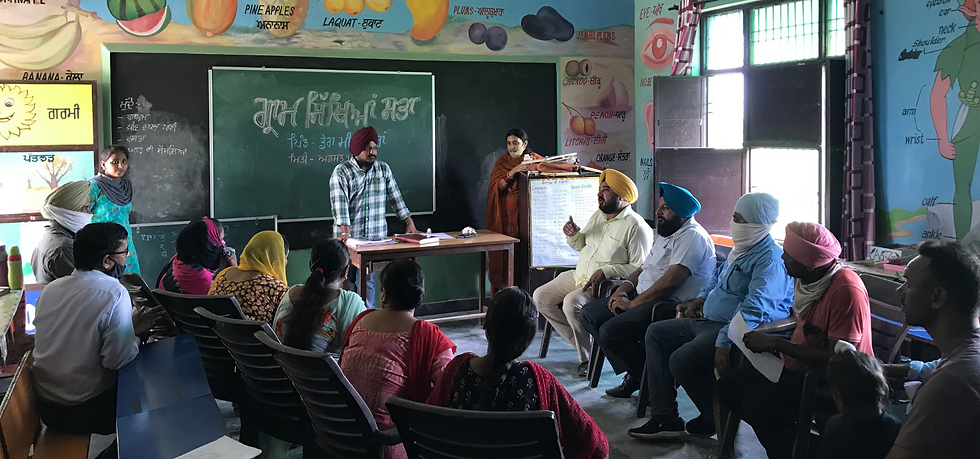
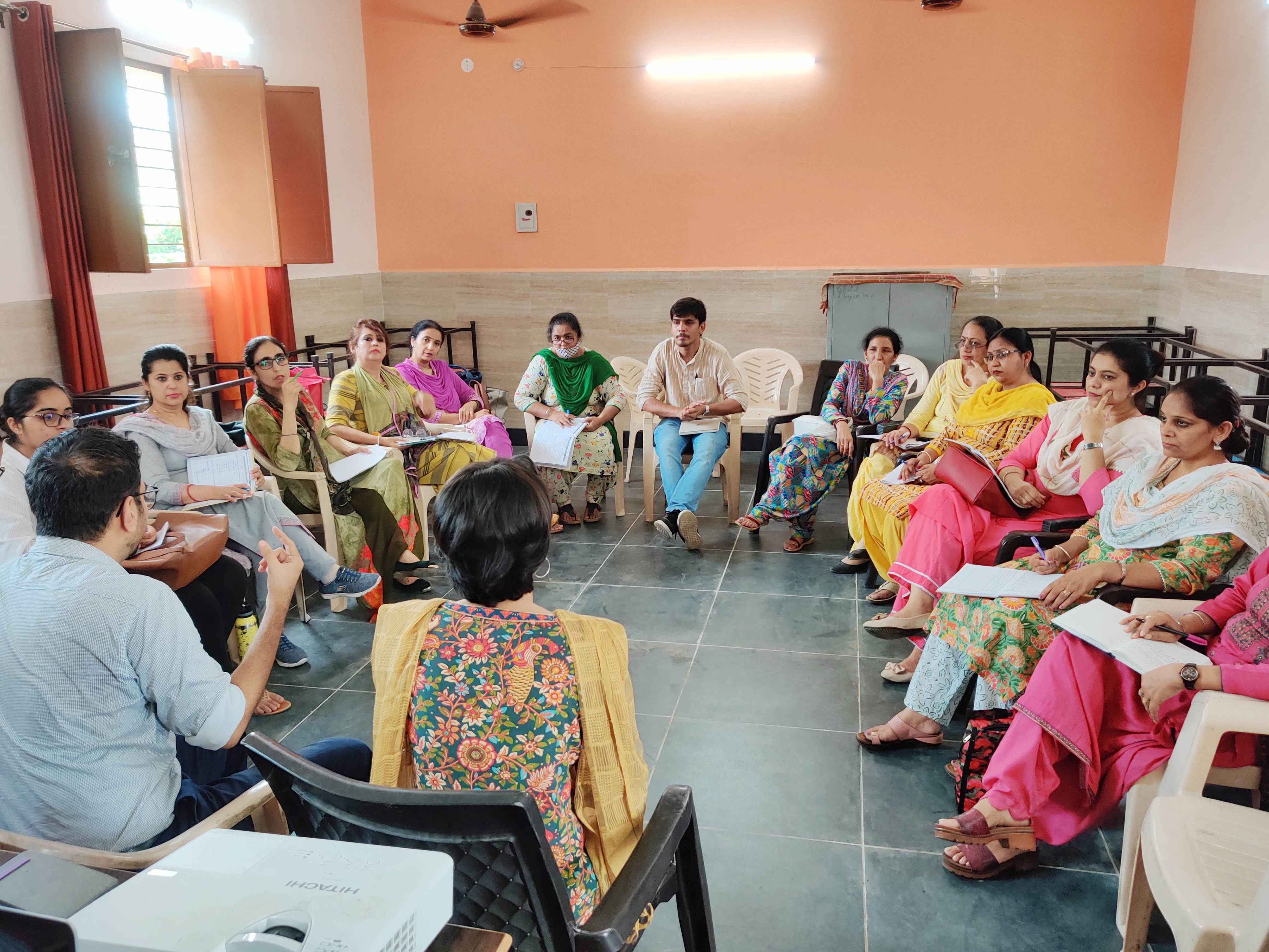
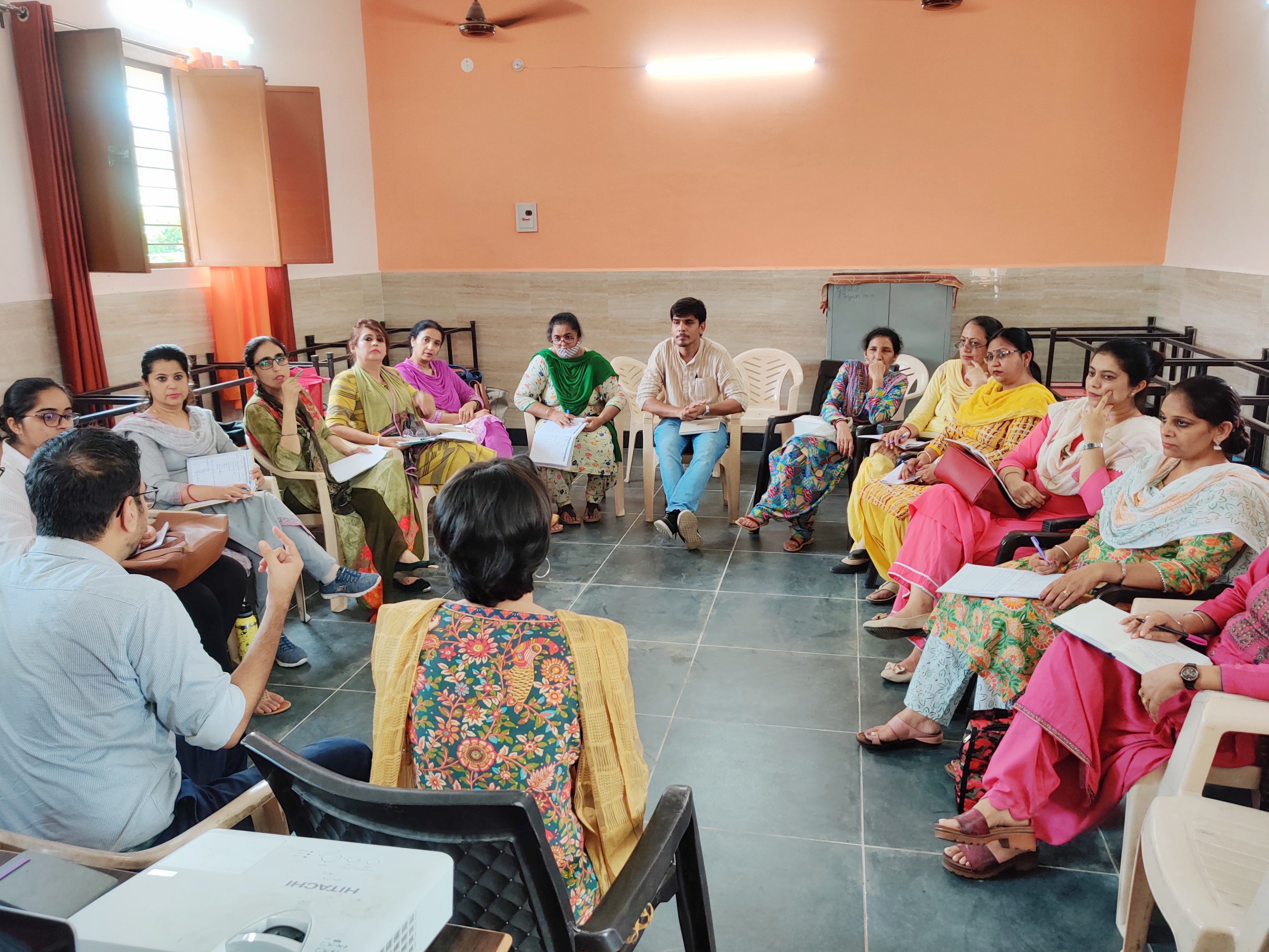
Our Punjab Youth Leaders Program is a two-year leadership development program where young leaders work towards improving the learning and governance in government primary schools in Punjab. These young leaders work to strengthen institutions and provide execution support, as well as build the capacity of teachers, ensure data-backed decision making, and do advocacy at the state level. We currently work with 500+ schools and 40,000+ students with a team size close to 70. We work in 4 districts – Patiala, Fatehgarh Sahib, Roopnagar, and Bathinda
We Need Your Support as we Grow
Sanjhi Sikhiya is turning 5 on September 11th, 2023! We are thrilled to celebrate 5 years of Sanjhi Sikhiya and look forward to taking our mission to more districts in Punjab soon. We recently launched operations in the 4th district in Punjab, Bathinda, and also welcomed our largest ever cohort to the Punjab Youth Leaders Program.
We need your generous donations which will be used to support our mission and our growing team. Please support us by donating today! Hit the "Donate" button on this page.
_20230908132202520.png)
Follow Sanjhi Sikhiya on Social Media:
- Instagram : @sanjhi_sikhiya
- Facebook : @punjabyouthleadersprogram
- LinkedIn: @sanjhi-sikhiya
- Twitter: @ssikhiya
Videos:
-
09/01/2026
Our Latest, From the Ground
Waheguru Ji Ka Khalsa, Waheguru Ji Ki Fateh!
It's been a full few weeks on ground across Punjab — a district-wide test that could change the trajectory of over a thousand students, an Independence Day that brought sarpanches and teachers into the same room to make personal commitments to their villages, and the launch of the ne Kirrt Yatra. Here's what's been happening, and how you can be part of what comes next.
1. STEM Collective: 1,500+ students, one selection test, one big first step
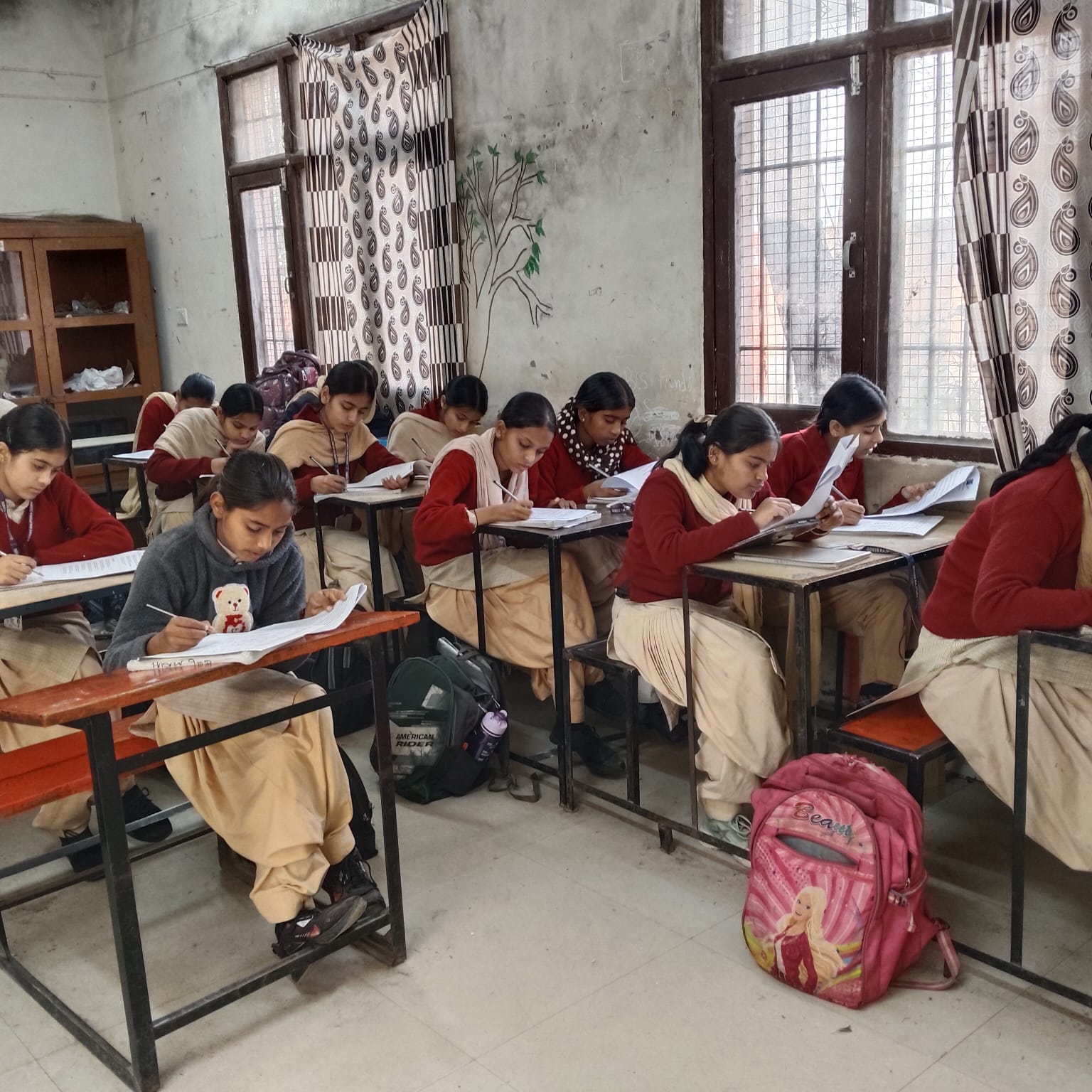
On August 6th, the STEM Collective reached an important milestone with the first district-wide selection test, held simultaneously across 25 government schools in Patiala, with over 1,500 Class 10 students appearing for the assessment. It's the first step toward building a structured, 3 year-long career-guidance journey in the field of STEM (Science, Technology, Engineering & Mathematics) for students who rarely get exposure to it.
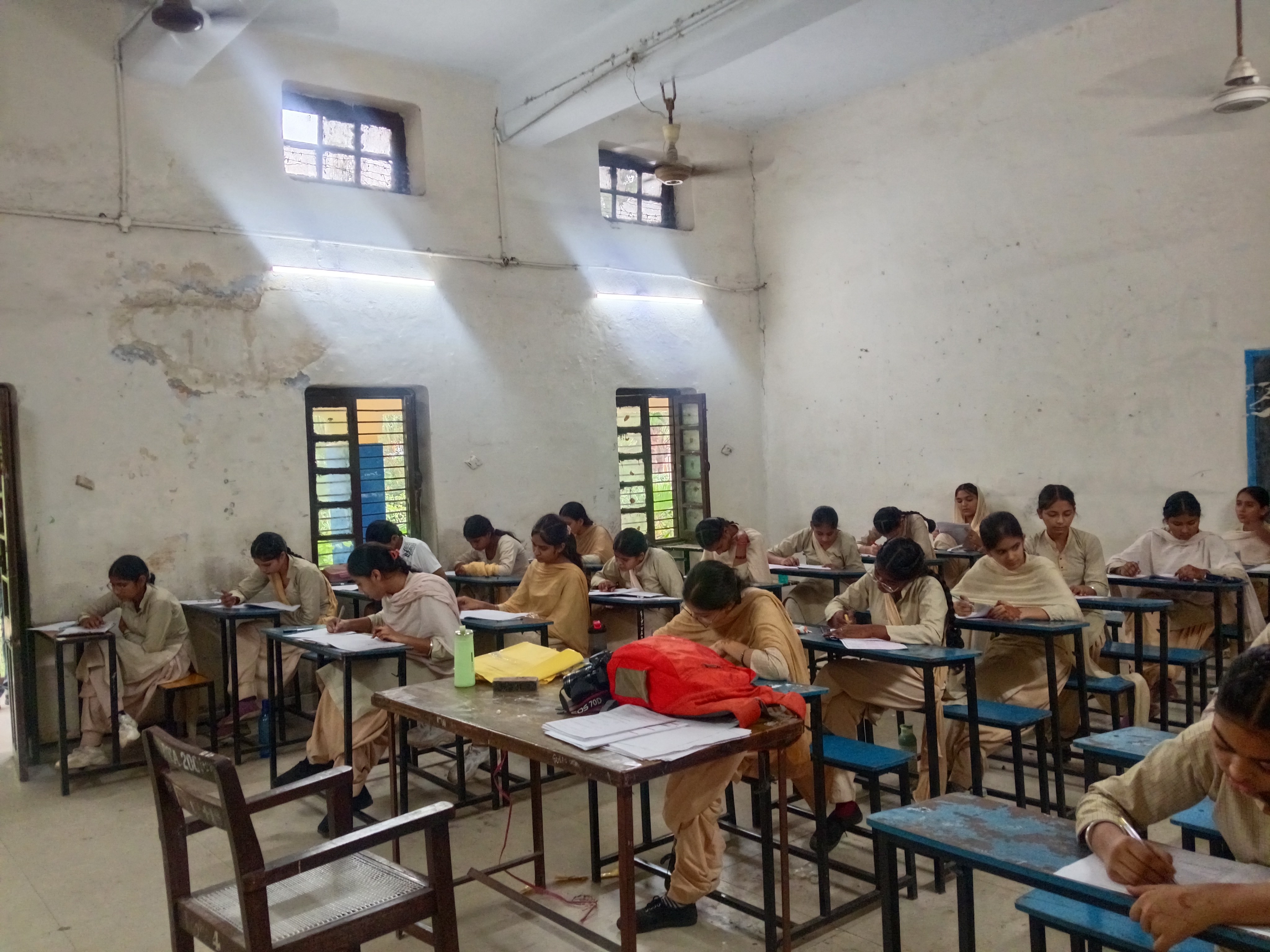
The selected students will be engaged in career-awareness sessions, with the students also joining a dedicated life-skills track over the next three years. None of this would have been possible without our partners Genpact, Avanti Fellows, SCERT Punjab, and the District Administration, and the team who took care of the logistics and everything behind the scenes.
Join the Mission - Click Here
2. Independence Day: villages choosing their own commitments
This Independence Day, our team conducted a Champions Collectives across three of our operational Districts, Fatehgarh Sahib, Bathinda, and Ropar, alongside school-level celebrations across our districts — bringing sarpanches, teachers, and community members into one room to talk about what they owe to their own villages, build connections with each other over shared struggles and celebrate each other for standing up and taking ownership.
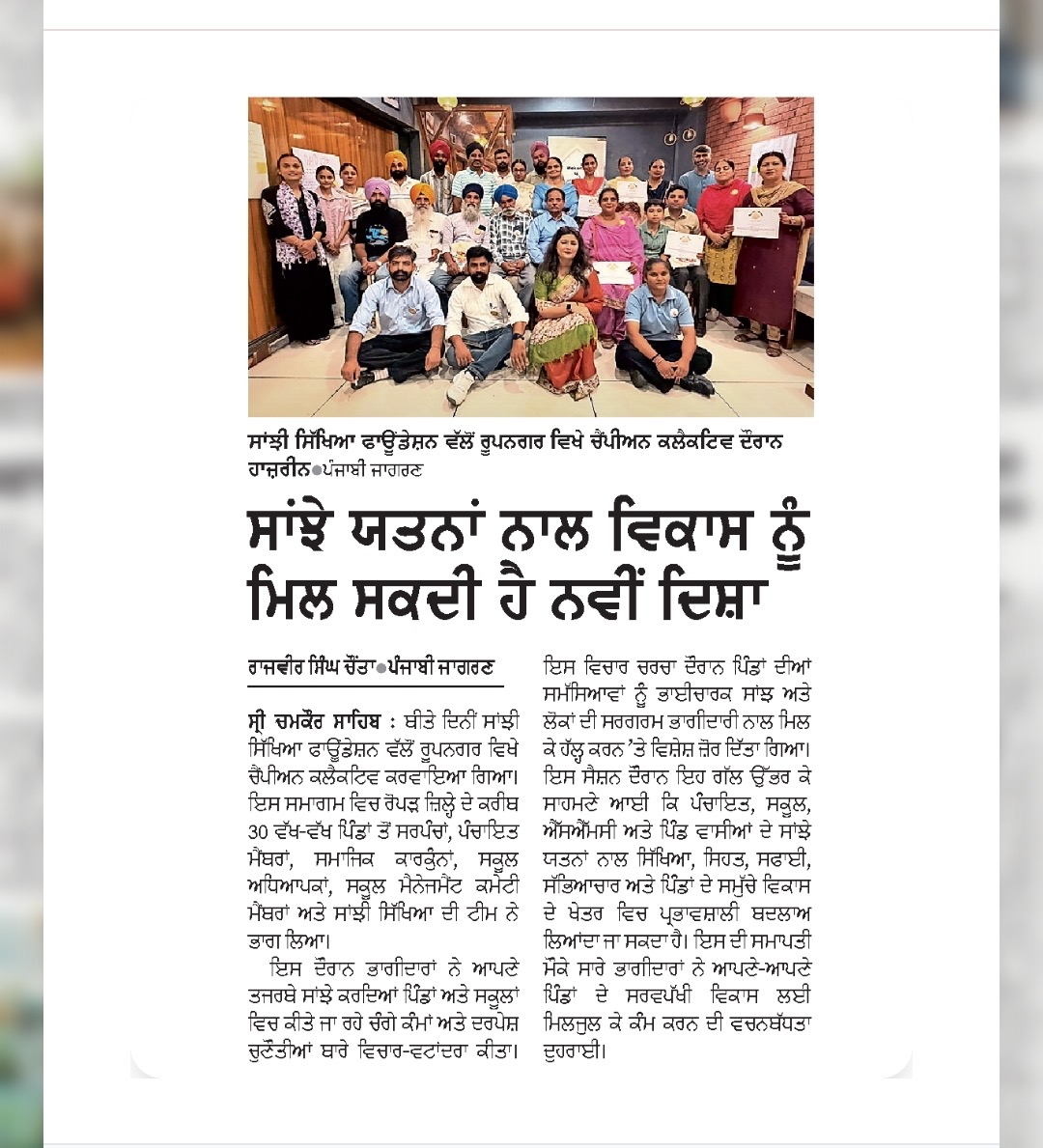
In Fatehgarh Sahib, 35 sarpanches showed up. Each one left having picked a personal commitment - something they'd be accountable for, like an interactive smart board for one school, a water cooler for another, an inverter, or simply hosting their own collective for their village. In Ropar, the day was unhurried and warm, everyone came with time in hand without any rush, everyone was there to participate, to talk, and most importantly, to listen. Every Champion left with a commitment we'll be following up on. Simultaneously, in Bhatinda, community leaders collaborated in areas they needed support in and shared individual strengths with the group, all pledging to develop their villages.
3. Applications for the next cohort are open!!
We recently held a webinar for our applications for the October 2026 Yatra.
We premiered the Kirrt Yatra Documentary, and also released the Kirrt Yatra Report — “Beyond the Headlines, Beneath the Soil, Beside the People”, and a conversation with the previous Yatris to understand what shifted for them after they walked the land, lived with its people and sat with silence.
In April, fourteen participants walked, listened, and lived alongside rural Punjab — in village homestays, participated in dialogues with grassroots changemakers, and experienced a real farm-and-community immersion for fifteen days. They didn't just learn about a place. They saw the world differently.
If you want to be on the next Yatra and are still making up your mind and have questions around the yatra, you can go through the film or reports below:
Kirrt Yatra Documentary Film : Watch here
Kirrt Yatra April 2026 Report : Read Here
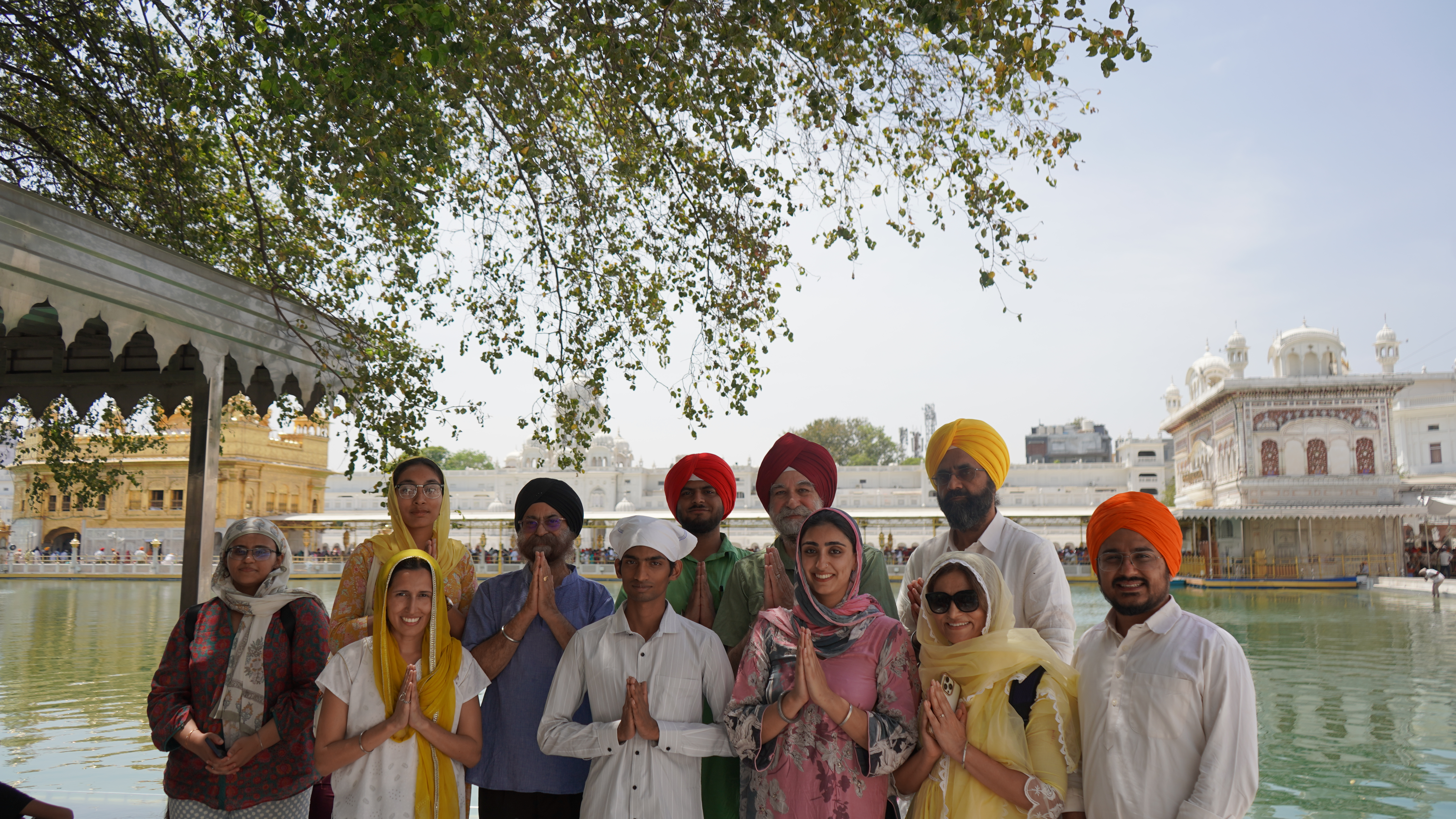
The Yatra is open to professionals, students, and changemakers. If you grew up away from Punjab and have never really visited, or know someone who fits that description, this is the invitation. Click below to register for the October edition (Oct 24 – Nov 06)
Application Link: Click Here
You can also help somone take this journey by supporting them
.
We would love to see you have this journey back to Punjab.
Gratitude
Team Sanjhi Sikhiya
-
03/08/2026
Building Pathways to STEM for Girls in Punjab
Through the STEM Collective, we are working to expand access, aspiration, and opportunity for government school students across Punjab, with a special focus on girls. This initiative brings together non-profits, universities, industry partners, and schools to build meaningful STEM pathways that help young learners move from curiosity to careers.
Currently, the Collective supports 25 government schools across District Patiala and works closely with 100 high-potential girls from Grade 9 onwards, providing structured guidance, exposure, and mentorship as they prepare for higher education opportunities in leading institutions such as IITs, AIIMS, IISER, Delhi University, and other Tier-1 institutions.
At its core, this initiative is about building knowledge, mobility, agency, and long-term independence through education, especially for students who have historically had limited access to these pathways.
Strengthening the STEM Ecosystem Through Partnerships
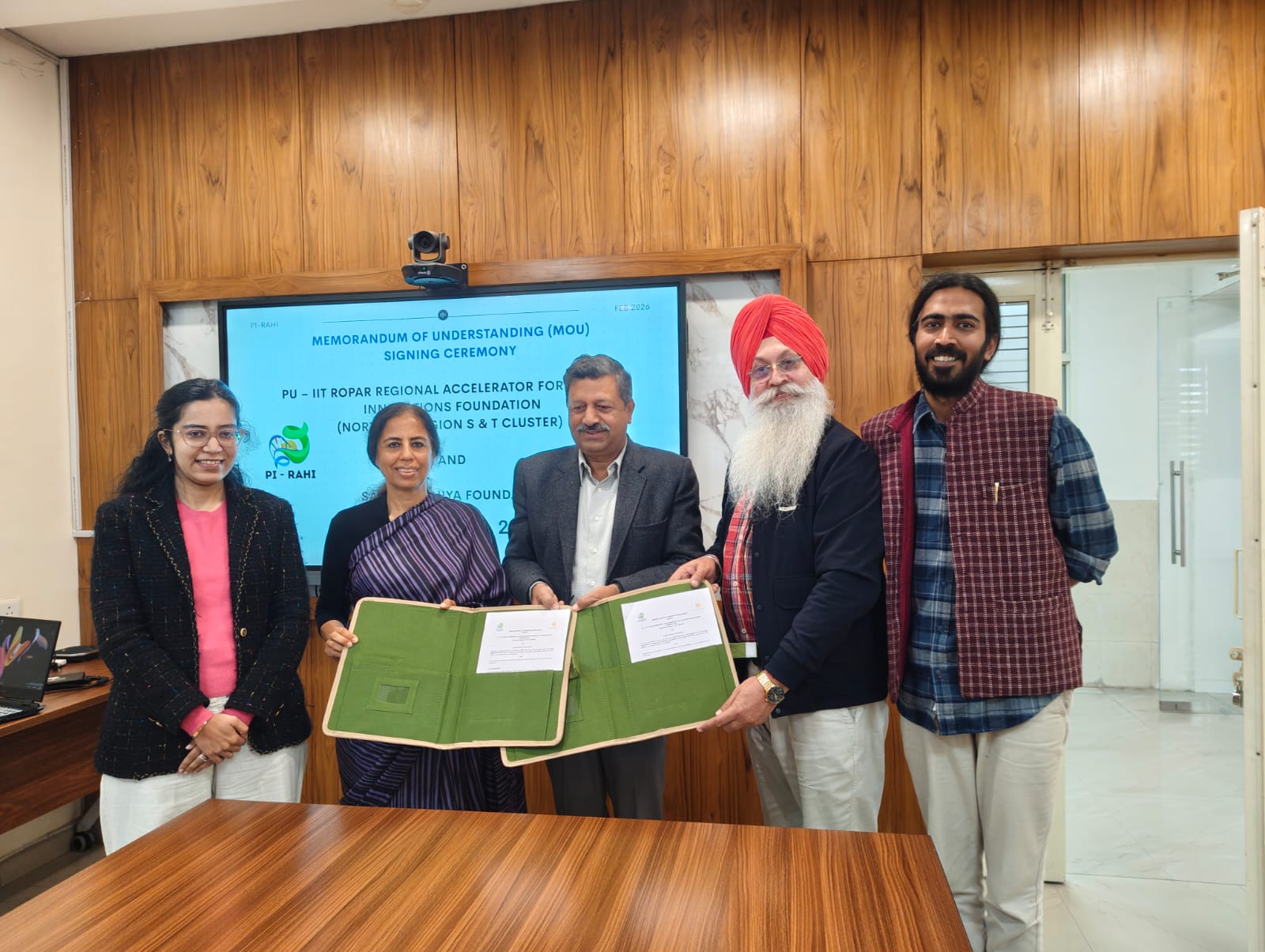
The STEM Collective is built on the belief that systemic challenges require collaborative, ecosystem-based solutions.The Collective also brings together committed partners including Avanti Fellows, Genpact, PI-RAHI, SAMA Foundation, universities, and industry collaborators, each contributing uniquely to mentoring, exposure, and academic preparation.
Creating Exposure That Builds Aspiration
A key part of the program focuses on exposure to real-world learning environments.Recently, over 50 girls visited Plaksha University as part of an immersive campus exposure program. For many students, this was their first experience exploring a university campus of this scale, interacting with professors, visiting advanced laboratories, and learning about academic pathways and scholarships. The visit helped students better understand the possibilities available through higher education and strengthened their motivation to pursue STEM careers.
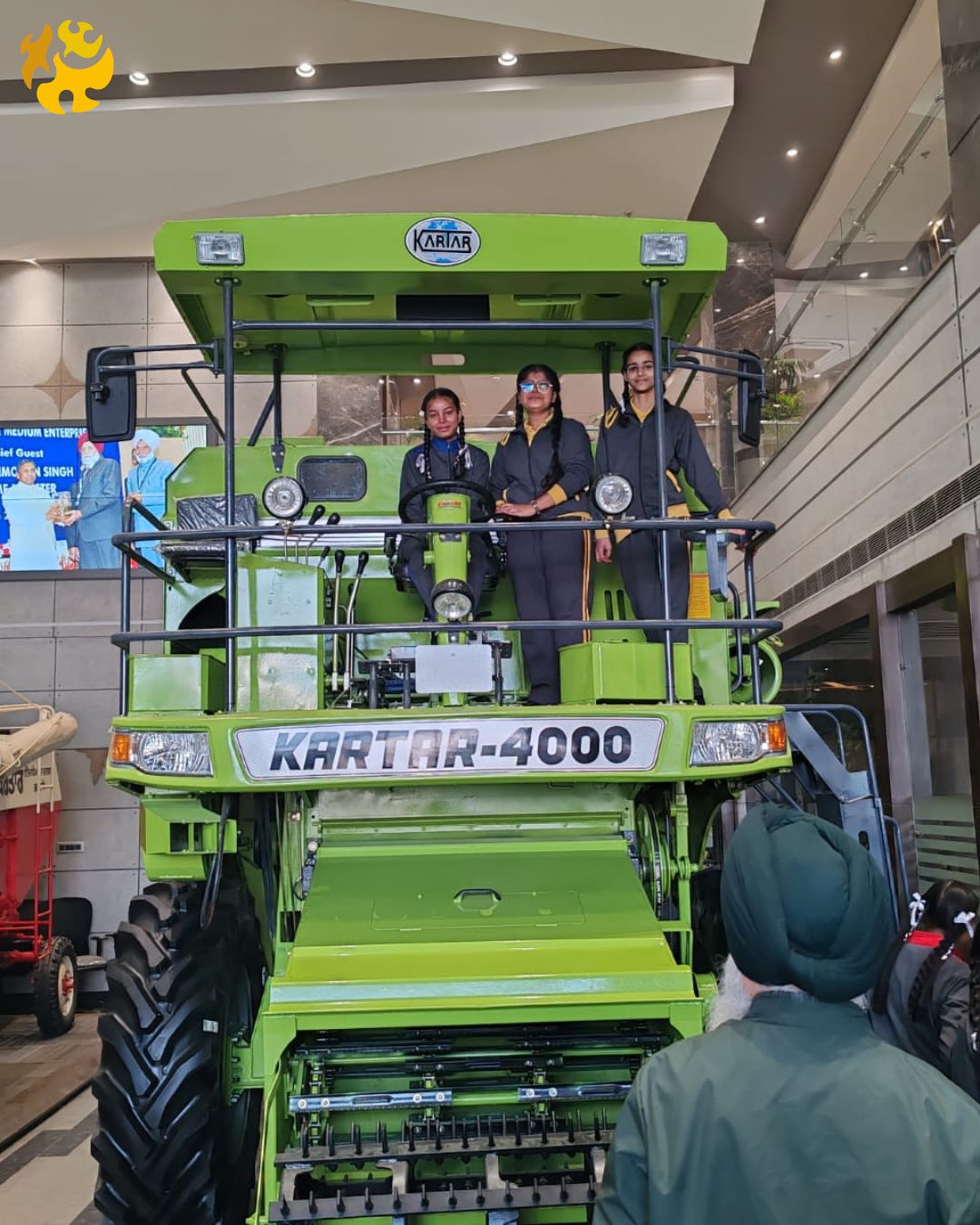
Similarly, on the International Day of Women and Girls in Science, students from School of Eminence Bhadson and GSSS Mangewal visited Kartar Agrotech Ltd., where they observed the manufacturing process of farm equipment and interacted with engineers on the shop floor. Watching the girls confidently explore tractors and heavy machinery was a powerful reminder of how exposure can challenge gender stereotypes and expand what young girls believe is possible for themselves.
Student feedback from these visits has been deeply valuable. Many girls expressed interest in visiting robotics labs and automobile manufacturing plants and asked for deeper technical explanations of industrial processes. These insights are now shaping the design of the next phase of the 100 Girls Program, ensuring the initiative remains student-informed and aspirational.
Building Data to Guide Impact
Alongside exposure and mentorship, the initiative is also building a strong evidence base to guide future programming.A recent district-wide STEM assessment drive reached over 3,000 students across 22 schools in Patiala. This large-scale effort was made possible through the support of NSS volunteers from Punjabi University, Patiala, who helped conduct assessments, manage logistics, and support classroom engagement across schools.
The exercise has generated a rich district-wide dataset that will help identify student strengths, learning gaps, and emerging potential. These insights will inform the selection of students for the Genpact STEM Girls Program Top 100 and guide the next phase of deeper academic engagement.
Looking Ahead
By strengthening STEM access for government school students, particularly girls, the STEM Collective is addressing a multidimensional challenge that connects education, opportunity, economic participation, and systemic equity. Through partnerships, exposure, mentorship, and data-driven programming, we are steadily building pathways that help young learners move from aspiration to achievement.Alongside our programmatic work, Sanjhi Sikhiya is also preparing for Kirrt Yatra 2026, a community-led journey that brings together supporters, volunteers, and well-wishers who believe in expanding access to quality education across Punjab. The Yatra plays an important role in strengthening the broader ecosystem that sustains and grows educational programs.
If you would like to learn more about the Yatra or explore ways to participate, please visit:
https://www.sanjhisikhiya.org/kirrt-yatra-2026/Together, through collective effort and shared commitment, we continue working toward a future where every child has access to opportunity, confidence, and the chance to shape their own path.
-
03/08/2026
Building Pathways to STEM for Girls in Punjab
Through the STEM Collective, we are working to expand access, aspiration, and opportunity for government school students across Punjab, with a special focus on girls. This initiative brings together non-profits, universities, industry partners, and schools to build meaningful STEM pathways that help young learners move from curiosity to careers.
Currently, the Collective supports 25 government schools across District Patiala and works closely with 100 high-potential girls from Grade 9 onwards, providing structured guidance, exposure, and mentorship as they prepare for higher education opportunities in leading institutions such as IITs, AIIMS, IISER, Delhi University, and other Tier-1 institutions.
At its core, this initiative is about building knowledge, mobility, agency, and long-term independence through education, especially for students who have historically had limited access to these pathways.
Strengthening the STEM Ecosystem Through Partnerships
The STEM Collective is built on the belief that systemic challenges require collaborative, ecosystem-based solutions.The Collective also brings together committed partners including Avanti Fellows, Genpact, PI-RAHI, SAMA Foundation, universities, and industry collaborators, each contributing uniquely to mentoring, exposure, and academic preparation.
Creating Exposure That Builds Aspiration
A key part of the program focuses on exposure to real-world learning environments.Recently, over 50 girls visited Plaksha University as part of an immersive campus exposure program. For many students, this was their first experience exploring a university campus of this scale, interacting with professors, visiting advanced laboratories, and learning about academic pathways and scholarships. The visit helped students better understand the possibilities available through higher education and strengthened their motivation to pursue STEM careers.
Similarly, on the International Day of Women and Girls in Science, students from School of Eminence Bhadson and GSSS Mangewal visited Kartar Agrotech Ltd., where they observed the manufacturing process of farm equipment and interacted with engineers on the shop floor. Watching the girls confidently explore tractors and heavy machinery was a powerful reminder of how exposure can challenge gender stereotypes and expand what young girls believe is possible for themselves.
Student feedback from these visits has been deeply valuable. Many girls expressed interest in visiting robotics labs and automobile manufacturing plants and asked for deeper technical explanations of industrial processes. These insights are now shaping the design of the next phase of the 100 Girls Program, ensuring the initiative remains student-informed and aspirational.
Building Data to Guide Impact
Alongside exposure and mentorship, the initiative is also building a strong evidence base to guide future programming.A recent district-wide STEM assessment drive reached over 3,000 students across 22 schools in Patiala. This large-scale effort was made possible through the support of NSS volunteers from Punjabi University, Patiala, who helped conduct assessments, manage logistics, and support classroom engagement across schools.
The exercise has generated a rich district-wide dataset that will help identify student strengths, learning gaps, and emerging potential. These insights will inform the selection of students for the Genpact STEM Girls Program Top 100 and guide the next phase of deeper academic engagement.
Looking Ahead
By strengthening STEM access for government school students, particularly girls, the STEM Collective is addressing a multidimensional challenge that connects education, opportunity, economic participation, and systemic equity. Through partnerships, exposure, mentorship, and data-driven programming, we are steadily building pathways that help young learners move from aspiration to achievement.Alongside our programmatic work, Sanjhi Sikhiya is also preparing for Kirrt Yatra 2026, a community-led journey that brings together supporters, volunteers, and well-wishers who believe in expanding access to quality education across Punjab. The Yatra plays an important role in strengthening the broader ecosystem that sustains and grows educational programs.
If you would like to learn more about the Yatra or explore ways to participate, please visit:
https://www.sanjhisikhiya.org/kirrt-yatra-2026/Together, through collective effort and shared commitment, we continue working toward a future where every child has access to opportunity, confidence, and the chance to shape their own path.
-
12/05/2025
Recent Highlights from Sanjhi Sikhiya
Over the past few months, our work across Punjab has continued to deepen its roots in classrooms, in communities, and in the everyday lives of children. From governance spaces to cultural immersions, every step has reinforced a simple truth: when people come together with shared purpose, progress becomes inevitable.
Our team and Young Leaders have been working closely with teachers, Panchayats, and School Management Committees, strengthening CAMs, leading school assessments, conducting Gram Sikhiya Sabhas, and building stronger academic and governance practices across districts. These conversations and collaborations are slowly but surely shaping schools where families feel included, and children feel seen.
This period also brought powerful moments of collective learning. Punjab Dialogues opened space for experts, citizens, and volunteers to reflect on floods, livelihoods, ecological health, and resilience. The Punjab Yatra took participants across the state, connecting them with communities preserving Punjab’s cultural, social, and economic spirit. Cross-state learning with organisations like Vidhya Vidhai and the planning for our STEM Collective initiative with our partners brought new ideas and renewed energy into our work.
Through it all, one thing stands strong: the commitment of Punjab’s people. Teachers pushing for better classrooms, Panchayats stepping into ownership, youth leading change, and communities sharing wisdom and hope.
Together, we are building systems that last, relationships that matter, and a Punjab where leadership and learning grow hand in hand.
-
08/30/2025
July 2025: Stories of Resilience and Learning
At a time when many parts of Punjab are grappling with devastating floods, our thoughts and prayers are with all families and communities affected. These moments remind us that true change is not just about progress, it’s about standing together in resilience and solidarity.
Even in these difficult times, young leaders of Cohort 7 have stepped forward with courage. Having completed their induction, they are now joining their districts, walking into classrooms, engaging with communities, and co-creating solutions on the ground. From innovative role-play activities in Cluster Academic Meetings to scaling initiatives in Patiala, these changemakers are not only learning, but also bringing hope and energy where it is most needed.
Our team has also been deeply focused on learning, with the latest student assessment report helping us reflect on progress and chart ways for greater impact.
Together, let’s continue shaping a future that belongs to everyone it touches, rooted in resilience, care, and collective strength.
-
08/27/2025
Quarterly Updates from Punjab: April–June 2025
There is something powerful unfolding across Punjab, a quiet but steady shift led by communities, teachers, Panchayats, and young changemakers.
From April to June, we witnessed schools reopening their doors to trust, Panchayats stepping up for education, and young leaders finding their voice and purpose. A 77% rise in enrolment, deeper community ownership, and powerful moments of reflection all marked this quarter as one of collective growth and renewed commitment.
These stories are not just ours, they are made possible by people like you, who believe in grassroots change.
-
01/31/2023
Updates from Quarter 3 (October- December)
Updates from Quarter 3
Our operations in the field are divided into two categories:
1. Teachers Development
-Cluster Academic Meetings (CAM)/ Teacher Collectives
-Implementation observed post-teacher collectives
2. Community Participation
-Gram Sikhiya Sabhas (GSS)/ Community Collectives
-School Management Committee (SMC) Meetings
-Panchayat Collectives
Following are some updates from the last quarter:
I. Teachers DevelopmentCluster Academic Meeting (CAM)/ Teacher Collectives
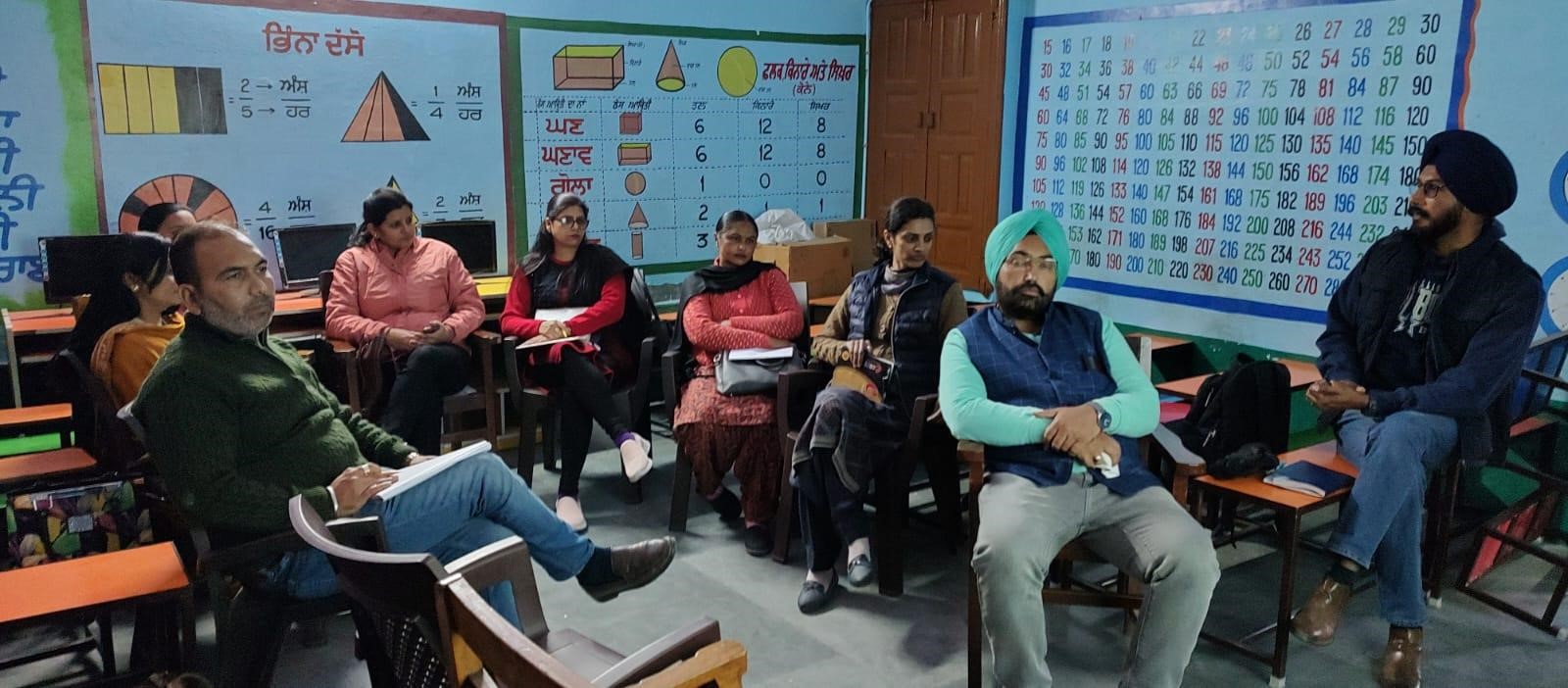
Number of collectives held : 24Purpose of Cluster Academic Meetings:
To create a space for a cluster’s teachers to
-Understand the importance of collaboration amongst them;
-Share and innovate new practices that would help students attain LOs.
-Brainstorm on the common challenges and design their solutions.Some of the topics of discussions during these meetings were:
1. A conversation on how Storytelling can be used in teaching language skills was initiated. Discussion on the following themes took place:
-What is storytelling? Why is it important?
-How can it help children in language learning?
-How to design storytelling sessions with the children?2. Oral comprehension:
-How to build upon the children's existing knowledge in helping them become fluent in speaking?
-A discussion on our focus on comprehending oral expression vs focus on the accuracy of pronunciation was also held.3. Discussion on the baseline assessment conducted in the month of July with the teachers, and address the gaps.
4. Teachers discussed the areas where they face challenges with the students such as letter identification, vocabulary, reading and comprehension, face value and place value, and word problems.
II. Community Participation
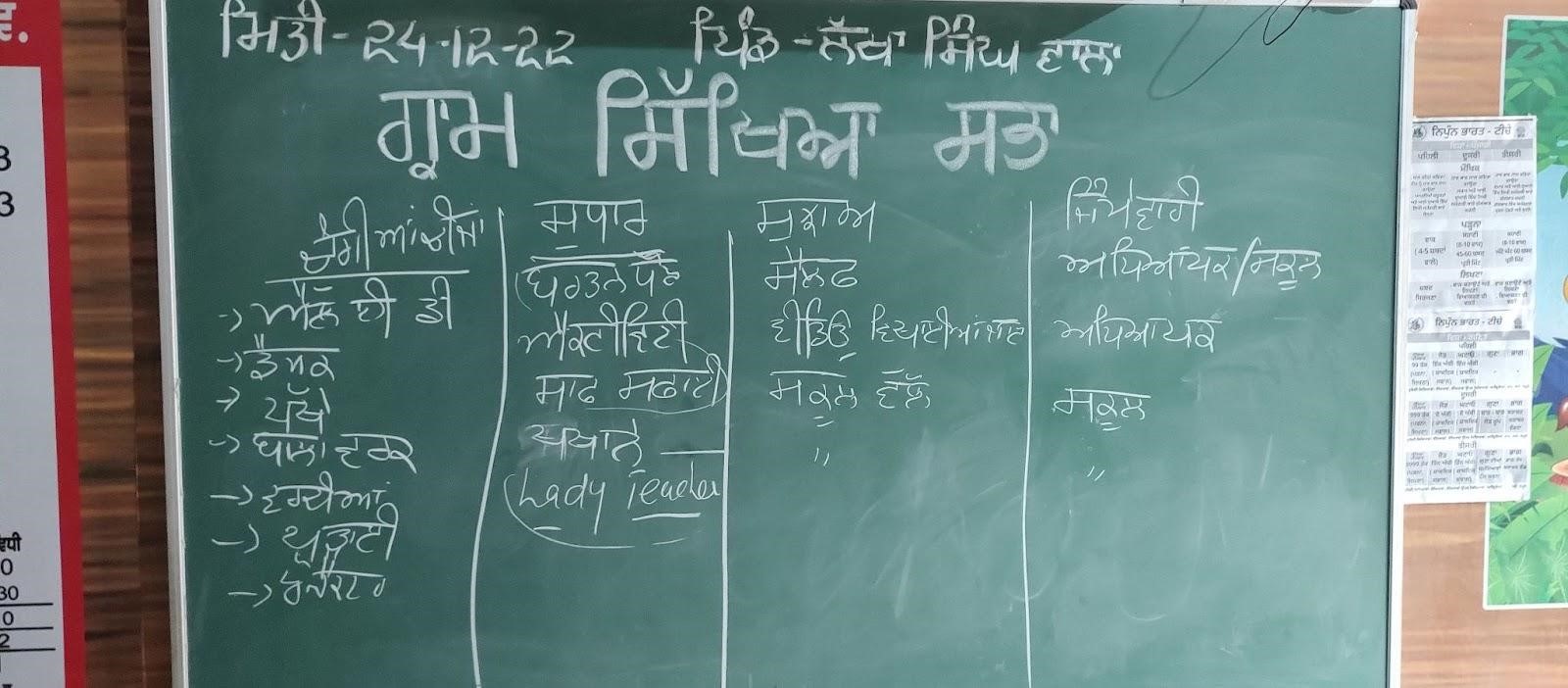
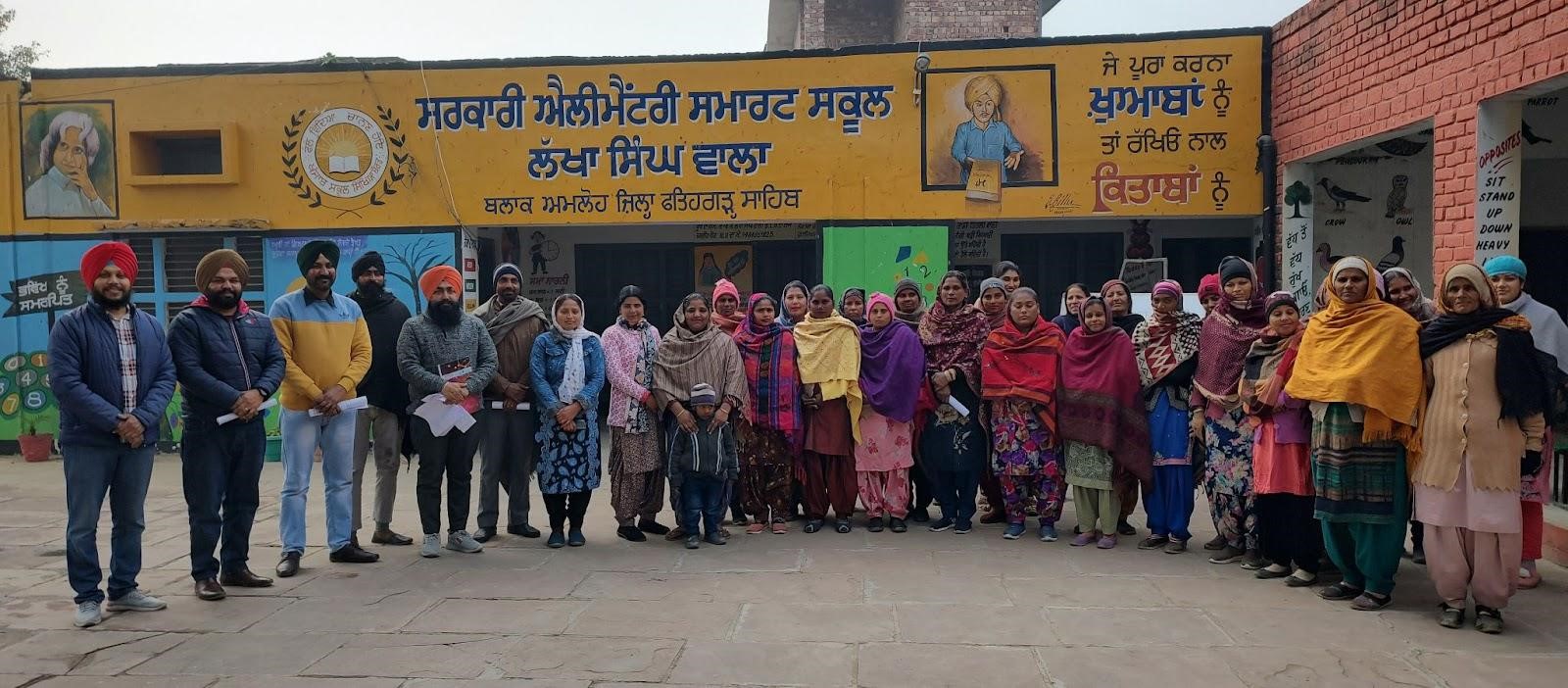
1. Gram Sikhiya Sabhas (GSS)/ Community Collectives
Number of collectives held: 57Purpose of these community collectives:
-To enable an effective dialogue between the community and the school;
-To raise awareness of the community’s involvement and responsibilities in the school,
-To discuss the community’s vision of their school and plan its next steps.Some highlights from the Community Meetings:
- The roles and responsibilities of the SMC and the Panchayat towards school were discussed.
- There were certain infrastructural issues that were discussed in the meetings.
- The parents also agreed to help in the provision of quality education to their children by actively engaging their children post-classroom and providing a learning environment at home.
- Issues related to low enrollment and how to improve enrollment were also discussed.
2. School Management Committee (SMC) Meetings
Number of meetings held:30Purpose of SMC Meetings:
-To encourage parents and SMC members to participate in the school development plan & support its effective implementation.
-To discuss the progress of the outcomes and tasks discussed in the previous meetings.Some highlights from the SMC Meetings held:
- Discussed the importance of parents spending time with their children, importance of storytelling in their child’s lives;
- Importance of having a healthy home environment and parent-child relationship for a child was also discussed;
- Supported the teachers in facilitating the ‘Child Sexual Abuse’ aspect in the Mother’s workshop. Since this was an important topic of discussion, we invited all the parents (i.e. of all the grades);
- Discussion on their roles and responsibilities and their significance to the school was held;
- SMC & Parents were encouraged to frequently visit the school to discuss the school and their child’s needs with the teacher.
- SMC, Sarpanch, and Teachers volunteered to pay a salary of Rs. 3,000 for their computer teacher volunteer;
- SMC agreed to meet monthly for discussing the school’s needs;
3. Panchayat Collective
Number of Collectives held: 01Location: Chamkaur Sahib, Rupnagar
Purpose of Panchayat Collective:To bring different stakeholders from Panchayati Raj and Education Department together, namely BDPO, Panchayat Members, Panchayat Secretaries, BPEO, and CHT to discuss infrastructural issues in the schools of the cluster.
Issues Identified and Discussed: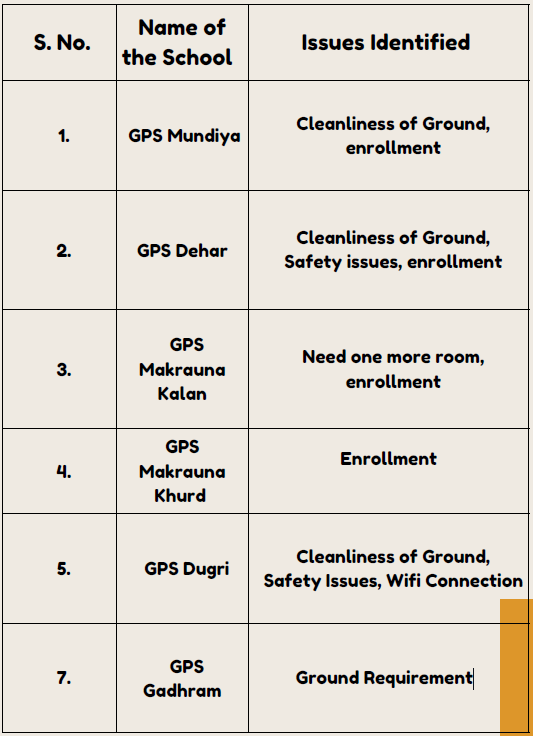
Challenges put forward by the Panchayats:
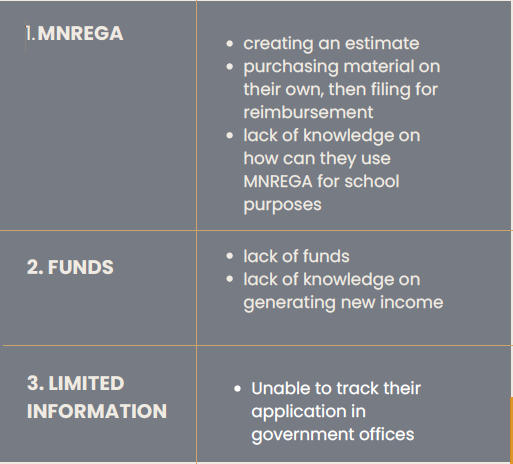
Way Forward:
- More Participation of Panchayats in SMC meetings, Student Enrollment Drives, Child-friendly schools, and a community environment is needed to fulfill the initiative of the Punjab Panchayati Raj Act, 1994;
- Need for cordial cooperation between Concerned Teachers and Panchayats;
- Panchayats need better guidance on the different types of funds available and how to avail them.
| Name | Donate Amount | Date |
|---|---|---|
| D. S. | $25.00 | September 2026 |
| D. S. | $25.00 | August 2026 |
| Anonymous | $101.00 | August 2026 |
| D. S. | $25.00 | July 2026 |
| D. S. | $25.00 | June 2026 |
| D. S. | $25.00 | May 2026 |
| Anonymous | $10.00 | May 2026 |
| D. S. | $25.00 | April 2026 |
| D. S. | $25.00 | March 2026 |
| Administrator Dasvandh Network | $494.53 | March 2026 |
| D. S. | $25.00 | February 2026 |
| D. S. | $25.00 | January 2026 |
| Jaspreet Singh | $750.00 | December 2025 |
| D. S. | $25.00 | December 2025 |
| Amar Chadha | $86.96 | December 2025 |
| D. S. | $25.00 | November 2025 |
| Match Fund | $100.00 | November 2025 |
| P. D. | $100.00 | November 2025 |
| Baldev Singh Bains | $11.00 | November 2025 |
| Baljit Sangha | $11.00 | November 2025 |
| D. S. | $25.00 | October 2025 |
| D. S. | $25.00 | September 2025 |
| Baldev Singh Bains | $51.00 | September 2025 |
| D. S. | $25.00 | August 2025 |
| D. S. | $25.00 | July 2025 |
| Match Fund | $50.00 | July 2025 |
| Harpal Jhawar | $50.00 | July 2025 |
| D. S. | $25.00 | June 2025 |
| D. S. | $25.00 | May 2025 |
| D. S. | $25.00 | April 2025 |
| D. S. | $25.00 | March 2025 |
| D. S. | $25.00 | February 2025 |
| D. S. | $25.00 | January 2025 |
| K. K. | $100.00 | December 2024 |
| D. S. | $25.00 | December 2024 |
| Jasmit Singh | $500.00 | December 2024 |
| Jasmit Singh | $650.00 | December 2024 |
| D. S. | $25.00 | November 2024 |
| Match Fund | $150.00 | November 2024 |
| Anonymous | $150.00 | November 2024 |
| Gurcharnjit Sickand | $101.00 | November 2024 |
| D. S. | $25.00 | October 2024 |
| D. S. | $25.00 | September 2024 |
| D. S. | $25.00 | August 2024 |
| D. S. | $25.00 | July 2024 |
| D. S. | $25.00 | June 2024 |
| D. S. | $25.00 | May 2024 |
| Jagjit Singh Teji | $500.00 | May 2024 |
| Match Fund | $200.00 | May 2024 |
| Manpriya Kaur | $200.00 | May 2024 |
| D. S. | $25.00 | April 2024 |
| J. P. | $200.00 | April 2024 |
| D. S. | $25.00 | March 2024 |
| D. S. | $25.00 | February 2024 |
| D. S. | $25.00 | January 2024 |
| D. S. | $25.00 | December 2023 |
| DAF DVN Administrator | $500.00 | December 2023 |
| D. S. | $25.00 | November 2023 |
| D. S. | $25.00 | October 2023 |
| D. S. | $25.00 | September 2023 |
| Anonymous | $20.00 | September 2023 |
| Tarun Deep Singh | $150.00 | September 2023 |
| D. S. | $25.00 | August 2023 |
| D J Singh | $25.00 | July 2023 |
| Inderpreet Singh | $21.00 | November 2022 |
| Anonymous | $100.00 | November 2022 |
| Shiva Jayaraman | $500.00 | October 2022 |
| Ashveer Singh | $101.00 | October 2022 |
| Vivek Shrivastava | $500.00 | October 2022 |
| Santosh K P | $500.00 | October 2022 |
| Wendy Earon | $100.00 | October 2022 |
| Ajit Sharma | $1,000.00 | October 2022 |
| Primal Dhillon | $100.00 | October 2022 |
| Manu Goel | $500.00 | October 2022 |
| Santosh K P | $500.00 | October 2022 |
| japnik singh | $50.00 | October 2022 |
| Japnik Singh | $10.00 | September 2022 |
| Anonymous | $10.00 | August 2022 |
Current Projects
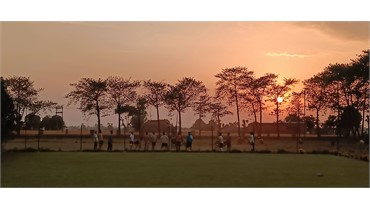
Kirrt Yatra 2026 - Immersion & Impact in Punjab
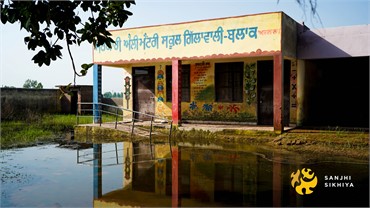
Punjab’s Hope is Stronger than the Floods

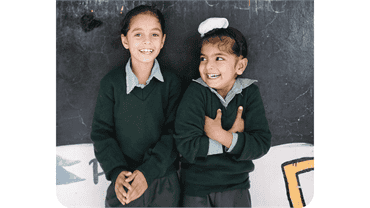
Quality Education For Every Child In Punjab
She Shows Up Every Day. Will You Show Up for Her? Support a Young Leader Today!